
All 24 industry reel generators
AI video ads for Shopify stores
Every merchant eventually learns the same lesson: static product images stall, and the accounts that scale are fed with vertical video. ReelSeconds produces AI video ads for Shopify stores from a single typed line — the product, the shopper problem it solves and the offer — and returns a finished 9:16 ad with voiceover and captions through four automatic stages. No editor, no agency, no footage of your own.
Under the hood, the pipeline writes the script in three separated parts, records a narrator with word-level timestamps, generates continuous vertical footage from a scene description, then assembles everything in your browser and downloads an mp4. From typed line to file is a matter of minutes; from file to a live test in your ad account is however fast you can upload.
Make a shopify stores reel now20 free credits at sign-up — about two ad variants — with no card on file.
AI video ads for Shopify stores should open on the problem, not the product
Nobody scrolling a feed is looking for your product; they are living with the annoyance it fixes. That is why the template briefs its scripts to lead with the shopper's problem — the tangled cable drawer, the cold coffee, the gift deadline that crept up — and only then introduce the product as the plain answer. It is the oldest structure in direct response for a reason: a viewer who recognises their own irritation in the first second grants you the next ten. Product-first openings, by contrast, are asking a stranger to care about your catalogue, and the feed has trained everyone to decline.
The template holds a second discipline: plain benefits only. Scripts state what the product does in checkable terms and skip the superlatives, because "the best on the market" survives neither a returns column nor an ad review. The close is a single concrete offer — launch price, bundle, free-shipping window — so the viewer leaves knowing exactly what to do and what it costs to do it. If your listing copy already carries a claim you could not defend to a sceptical customer, the fix belongs in the listing, not in a louder video.

Creative testing at a merchant's margins
Ad fatigue is not a possibility, it is a schedule: every winning creative decays, and the store that cannot replace it cheaply ends up paying rising CPMs for falling returns. The traditional replacement pipeline — agency retainers, per-asset creator fees, revision rounds — prices small merchants out of the iteration game entirely. At 10 credits per standard variant here, the economics invert. Producing this week's three challenger ads costs less than the coffee consumed while briefing them, which means the sensible cadence — always be testing a challenger against the incumbent — is finally affordable at Shopify scale.
Cheap variants only pay off if you change one thing at a time. Hold the product and offer steady and rotate the opening problem; or hold the hook and test the offer framing. Because each run starts from a typed line, the variable you are testing is literally visible in the brief, which keeps your experiments honest and your learnings portable to every other channel you write copy for. That discipline is what turns AI video ads for Shopify stores from a novelty into a repeatable testing programme.
- One variable per run. Rotate the hook or the offer, never both at once — otherwise the winning variant teaches you nothing.
- Variant maths that favour testing. A standard 15-second variant is 10 credits, the HD Kling base is 25, and a failed render refunds itself automatically.
- Three doors into one product. Run the pain angle, the routine angle and the gift angle against each other and let the ad account vote.
What the generated footage shows shoppers — and what it cannot
The footage stage produces AI-generated b-roll matched to your written description. It will render a moody kitchen, a desk at golden hour, a parcel on a doorstep — but the item on screen is evocative, not your exact SKU, and your ad should never imply otherwise. For products whose sell is the physical detail — fabric texture, precise fit, a mechanism clicking shut — generated footage is the wrong tool, full stop. Film the real thing for those, even roughly on a phone; authenticity beats polish when the product itself is the proof.
Where the pipeline earns its place is everywhere the concept sells rather than the close-up: problem-led hooks, offer and sale announcements, category-level ads, seasonal pushes and launch teasers that run before your product photography even exists. Many merchants land on a split: generated reels to find the winning angle cheaply, then a real-footage remake of only the proven winner. And where an ad platform provides a disclosure toggle for AI-generated or altered media, switch it on — the reach cost is negligible next to the trust cost of being caught quiet.
More reels from the same pipeline
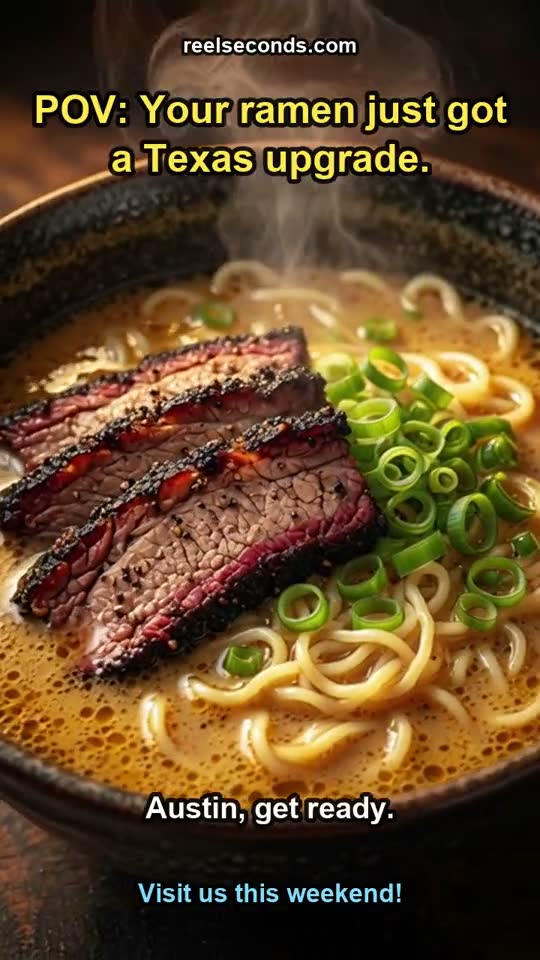
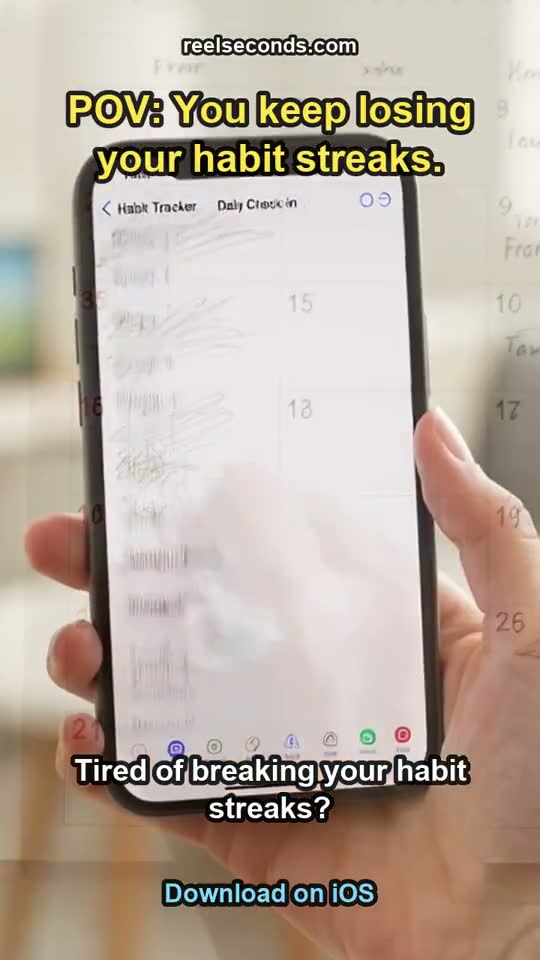
The exact studio behind this page also made these — different topics, one workflow. Each is a real generation, labelled with the prompt topic it came from.
From product page to ad variant, step by step
- 01
Brief it like an ad, not a listing
One line: the product, the shopper pain it removes and the offer. The generator panel on this page is preset to the store-promo template, so the structure is already waiting for your details.
- 02
Three pieces of writing come back
A written on-screen hook, a spoken voiceover and a visual prompt for the footage model — kept separate so the narrator never reads screen text aloud and the footage never parrots the sales copy.
- 03
A narrator records with word-accurate timings
Pick Jackson for an energetic read, Michael for a calmer one or Candy for warmth. The audio returns with word-level timestamps that the caption pass will build on.
- 04
The footage model builds the vertical scene
Continuous 9:16 footage renders from the visual prompt in one to three minutes — the only real wait in the whole run.
- 05
Assembly runs locally and the mp4 drops
Your browser burns the captions onto the true word timings, overlays the hook, appends the closing CTA and muxes the audio. The finished 9:16 file downloads in under a minute for a 15-second ad.
Merchant questions, answered plainly
- Does it pull products from my Shopify catalogue?
- No — there is no store integration and no product photography involved. You type a one-line brief, and the footage is AI-generated b-roll matched to that description, which means the item on screen is evocative rather than your exact SKU. For ads whose entire job is to show the physical product precisely, film the real thing; use this for problem-led and offer-led creative.
- How many credits does an ad variant use?
- The standard 15-second variant costs 10 credits. Choosing the HD visual base rendered with Kling makes it 25, and stretching to the 30-second maximum adds another 10. Failed runs refund automatically, so a bad render never burns budget. Sign-up includes 20 free credits — roughly two variants — before any payment details enter the picture.
- What is the turnaround on a single variant?
- Minutes, with the footage model as the bottleneck at one to three of them. Browser assembly of a 15-second ad finishes in under a minute on a modern computer and runs slower on phones. In practical terms, a flash-sale announcement conceived at breakfast can be uploaded to the ad account before the first customer email arrives.
- Can I put these straight into paid placements?
- Format-wise, yes — the output is built for vertical paid slots. Commercially, mind the tiers: free exports carry a small reelseconds.com watermark, while paid plans export clean with a commercial licence. AI video ads for Shopify stores that are going into paid rotation should therefore be exported on a paid plan, where the licence and the clean frame both come as standard.
- Will ad platforms accept AI-generated creative?
- Generated creative is widely run today, but several platforms now ask advertisers to flag AI-generated or digitally altered media — so use the disclosure option wherever one is offered, and never present generated footage as film of your actual product. Honest framing protects the ad account you are building; a rejected ad is recoverable, a distrusted store less so.
- What length and aspect ratio do I get?
- Every export is a 9:16 vertical mp4 — 15 seconds as standard, extendable to a 30-second maximum — with captions burned in on the narrator's word timings. That makes it native for Instagram Reels, TikTok, YouTube Shorts and vertical paid placements, and legible to the majority of shoppers who scroll with the sound off.

Start free, upgrade when it pays off
Every account starts with 20 free credits — about two shopify stores reels, no card required. A standard reel is 10 credits; paid plans run $9.99 Starter to $79 Studio. See the full pricing table.
Sign up free & make a shopify stores reelExplore by industry
More industry reel generators
 Dental practices
AI Video Generator for Dental Practices
Patient-education and practice reels for dentists
Open Hair salons
AI Video Generator for Hair Salons
Booking-driven trend and stylist reels for salons
Open Travel agencies
AI Video Generator for Travel Agencies
Destination-mood and seasonal-offer reels for travel sellers
OpenMore industries
- AI Video Generator for Real Estate Listings
- UGC Ads for Skincare Brands
- AI Video Ads for Mobile Apps
- AI Video Generator for Restaurants
- AI Video Generator for Course Creators
- AI Video Generator for Fitness Coaches
- AI Video Generator for Etsy Sellers
- AI Video Generator for Law Firms
- AI Video Generator for Nonprofits
- AI Video Generator for Podcasters
- AI Video Ads for Saas Startups
- AI Video Generator for Jewelry Brands
- AI Video Generator for Coffee Shops
- AI Video Generator for Car Dealerships
- AI Video Ads for Pet Brands
- UGC Ads for Supplement Brands
- AI Video Generator for Wedding Photographers
- AI Video Generator for Fashion Brands
- AI Video Generator for Home Service Businesses
- AI Video Ads for Dropshipping Products