
All 24 industry reel generators
AI video generator for fashion brands
A label lives on how it makes people feel long before anyone touches the fabric, and that feeling has to be rebuilt on the feed every week. ReelSeconds is an AI video generator for fashion brands that starts from one typed line — the mood of the drop, the person you cut for, the palette of the season — and returns a finished 9:16 reel. Four automatic stages do the work: a script stage writes an on-screen hook, a voiceover narration and a visual brief as three separate pieces; a voice records the narration with word-level timestamps; text-to-video generates continuous vertical footage from the brief; and assembly in your browser burns the captions onto the real word timings, places the hook, adds the closing ask and hands you an MP4.
What it will not do is film your garments. The footage is generated from your description, which makes it a mood instrument — texture, light, attitude, the world the collection belongs to — rather than a substitute for your lookbook. Used deliberately, that covers the gap most small labels never fill: the steady stream of brand-voice video between campaigns, when there is no shoot budget and nothing new to photograph, but the feed still has to sound like you.
Make a fashion brands reel nowSign up with 20 free credits — about two reels to hear how your label sounds in motion. No card needed.
Mood is the thing people follow
People follow a label for years between purchases, and in those years the entire relationship is aesthetic. Nobody is evaluating stitching on a phone screen; they are deciding, over and over, whether your world is one they want to be seen in. The houses with in-house studios feed that decision constantly — atmosphere films, palette studies, references, a point of view arriving several times a week. A two-person label posts the product flatlays at launch, then goes quiet until the next collection, and the silence reads as absence rather than restraint. The audience does not know you were busy cutting samples; they only know the world stopped transmitting.
A mood reel is a different job from a product post, and it is the job this pipeline was shaped for. You are not showing a piece; you are naming an attitude — who she is, where the season lives, what the colour story refuses to apologise for. The hook is written text, never spoken, so the opening frame can read like a cover line while the narration underneath carries the voice of the house. Because the captions are burned in on the actual word timings, the reel holds together with the sound off, which is how most of the feed will meet it.

Reels for every beat of the drop cycle
A drop is a calendar event, and calendar events need a rhythm around them: the tease beforehand, the announcement on the day, and the long quiet stretch after, which is where most labels lose the room. Each beat wants a different reel, and none of them wants the same reel twice. When the unit of production is a typed line and a few minutes of waiting, that rhythm stops being a production schedule and becomes a habit — one line on a Sunday evening, one file ready before Monday.
The tease phase is where generated footage is genuinely at an advantage rather than a compromise. You want to signal palette, texture and feeling without revealing a single piece, and footage that was never a photograph of the collection cannot leak it. Describe the world the drop belongs to — the hour of day, the fabric weight, the city — and let the reel promise without showing.
- The fortnight before. Atmosphere only — palette, references, the feeling of the season. No pieces, no dates yet, just the sense that something is coming and it has a temperature.
- The morning of. A direct announcement: the hook names the drop, the narration says what it is, and the closing ask says exactly where and when to be.
- The long middle. Between collections, brand-voice reels about what the label believes and who it dresses keep the account warm without pretending there is news.
What an AI video generator for fashion brands honestly cannot do
It cannot show the garments, and no amount of clever prompting changes that. The footage stage generates b-roll matched to your written description — movement that reads like silk, a colour story, a street at dusk — not photography of your actual pieces. That distinction is not a technicality; it is an honesty line. A generated frame must never be allowed to pass as a product shot, because the customer who buys the dress in the video and receives a different dress is a customer you have lied to. Keep generated reels in the register of mood, announcement and voice, where nothing on screen claims to be the merchandise.
The practical division of labour follows from that. Campaign imagery, the lookbook and every product page need real photography of real samples — that work does not go away, and this tool does not touch it. What it replaces is the video you were never going to commission anyway: the weekly presence pieces, the drop drumbeat, the restock note, the between-seasons transmission. One last obligation stays with you regardless of the footage: the script writes confident copy from whatever you brief, so claims about fabric composition, provenance or pricing are yours to verify before the reel goes out, exactly as if an assistant had drafted it.
More reels from the same pipeline
The exact studio behind this page also made these — different topics, one workflow. Each is a real generation, labelled with the prompt topic it came from.
How a line about the drop becomes a posted reel
- 01
Write the drop line
Name the mood, the palette and the muse — not the SKU list. 'A November drop for women who dress like the city owes them money' gives the pipeline far more to work with than a category name. The panel on this page is already set to the fashion template.
- 02
The script arrives in three separate pieces
An on-screen hook that is written and never spoken, a narration in the voice of the house, and a visual brief for the footage model. Because they are separate, the opening frame reads like editorial rather than a transcript.
- 03
Choose the voice of the label
Jackson is energetic, Michael is calm, Candy is warm. The read is recorded with word-level timestamps, which is what lets the captions land precisely later.
- 04
The atmosphere renders in 9:16
Text-to-video generates continuous vertical footage from the visual brief — the world of the drop, not the garments in it. This is the longest wait, usually one to three minutes.
- 05
Your browser assembles the final file
Captions are burned in on the real word timings, the hook sits at the top of frame, the closing ask lands at the end, and the audio is mixed in. A 9:16 MP4 downloads, ready for the grid.
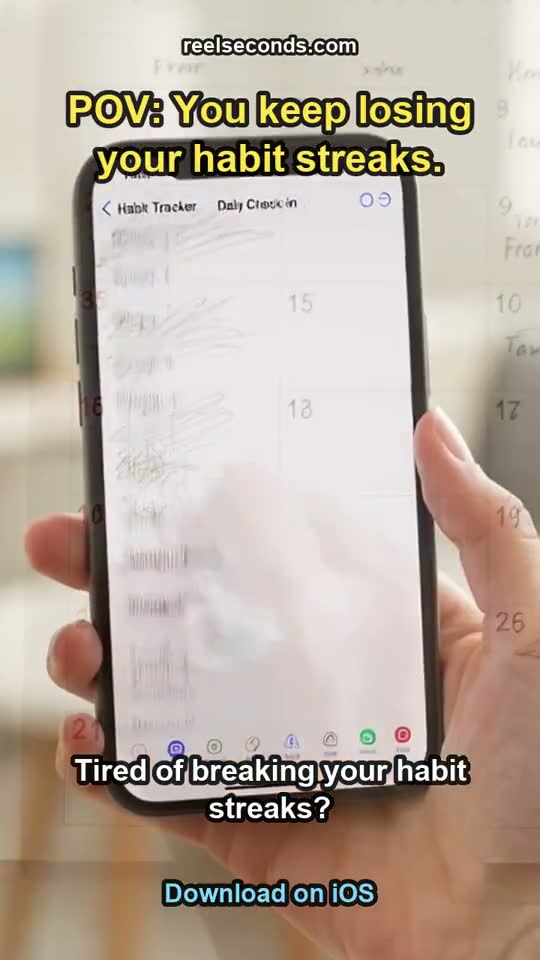
The script package behind the reel above
This is what the script stage actually returned for that listing — three separate outputs, exactly as the pipeline stored them. Nothing here is a sample written for the marketing page.
- On-screen hook (written, never spoken)
- “POV: Your new favorite linen shirt.”
- Voiceover script (36 word timings, 6 caption lines)
- “This Friday, a limited run of our new oversized linen shirts drops. Experience effortless comfort and timeless style. Each piece embodies relaxed sophistication, crafted from premium, breathable linen. Don't miss this exclusive release. Mark your calendars.”
- Visual prompt for the footage model
- “A slow, continuous shot of a diverse model, with a relaxed and confident expression, gracefully moving through a sun-drenched, minimalist studio space. The camera gently tracks their movement, highlighting the flowing drape and natural texture of an oversized, light-colored linen shirt. Soft, warm natural light creates gentle shadows and emphasizes the fabric's breathability and comfort. The mood is serene, effortless, and sophisticated.”
- Closing call to action
- “Set Your Reminder!”
What labels ask before the first render
- Do we have to upload photos of the collection?
- No — nothing is uploaded at all. The footage is AI-generated from the written brief, so a reel exists before a single sample has been photographed. That is the strength and the limit in one sentence: you can announce and set a mood with nothing in hand, but you cannot show a piece, because the pipeline never sees one.
- Our aesthetic is very particular. Can generated footage match it?
- It can get close on the things you can put into words — palette, light, era, texture, pace — and an AI video generator for fashion brands rewards precise briefs the way a good stylist rewards a clear reference. What it cannot reproduce is a signature only your own photography carries. If a reel comes back off-key, regenerating with a sharper brief costs credits, not a reshoot.
- What does a reel cost in credits?
- A standard 15-second reel is 10 credits. Rendering on the HD visual base (Kling) is 25 credits, and extending a reel to 30 seconds adds 10 more. Failed runs refund themselves automatically, and a new account starts with 20 free credits — roughly two reels — before any card is involved.
- How long from typing the line to holding the file?
- The footage render takes one to three minutes, and the browser assembly finishes in under a minute for a 15-second reel. Assembly runs on your own machine, so it wants a reasonably modern computer and is slower on phones. Call it a coffee, not an afternoon.
- Is there branding on the export?
- Free-tier reels carry a small reelseconds.com watermark, which is fine while you are deciding whether the output suits the label. Paid plans export clean and come with a commercial licence, which is what you want for anything published under the brand or put behind ad spend.
- Which platforms is the format actually right for?
- The output is native 9:16, which is the shape Instagram Reels, TikTok, YouTube Shorts and vertical paid placements all expect — no cropping, no letterboxing. The burned-in captions matter as much as the ratio: most of the feed watches with the sound off, and the reel is built to survive that.
Start free, upgrade when it pays off
Every account starts with 20 free credits — about two fashion brands reels, no card required. A standard reel is 10 credits; paid plans run $9.99 Starter to $79 Studio. See the full pricing table.
Sign up free & make a fashion brands reelExplore by industry
More industry reel generators
 Dental practices
AI Video Generator for Dental Practices
Patient-education and practice reels for dentists
Open Hair salons
AI Video Generator for Hair Salons
Booking-driven trend and stylist reels for salons
Open Travel agencies
AI Video Generator for Travel Agencies
Destination-mood and seasonal-offer reels for travel sellers
OpenMore industries
- AI Video Generator for Real Estate Listings
- UGC Ads for Skincare Brands
- AI Video Ads for Mobile Apps
- AI Video Generator for Restaurants
- AI Video Generator for Course Creators
- AI Video Generator for Fitness Coaches
- AI Video Ads for Shopify Stores
- AI Video Generator for Etsy Sellers
- AI Video Generator for Law Firms
- AI Video Generator for Nonprofits
- AI Video Generator for Podcasters
- AI Video Ads for Saas Startups
- AI Video Generator for Jewelry Brands
- AI Video Generator for Coffee Shops
- AI Video Generator for Car Dealerships
- AI Video Ads for Pet Brands
- UGC Ads for Supplement Brands
- AI Video Generator for Wedding Photographers
- AI Video Generator for Home Service Businesses
- AI Video Ads for Dropshipping Products